


The property management industry in the United States has entered a new era in 2025. Fueled by rapid technological adoption, heightened tenant expectations, and an evolving regulatory landscape, the “new normal” is nothing like the business of a decade ago. Commercial and residential managers alike are reshaping operations to meet market demands, improve efficiency, and deliver value to owners and renters alike.
Tech Takes Center Stage
Technology is no longer optional — it’s foundational. Property managers are integrating advanced software systems that automate everything from lease renewals to maintenance workflows. AI-driven platforms now handle tenant inquiries, predictive maintenance alerts, rent collection, and even pricing optimization. Cloud‑based property management systems (PMS) with mobile apps are mainstream, letting residents pay rent, submit service requests, and communicate with management in real time.
According to recent industry surveys, 72% of managers reported that AI improved operational efficiency, and nearly 60% had planned to increase spending on smart building technologies by the end of 2025. DeltaHQ
Integrated platforms are also transforming operations. Instead of multiple disconnected tools, property firms are adopting ecosystems that link leasing, maintenance, compliance, and analytics into a single dashboard, reducing costs and improving decision‑making. Minut
Property Management Has Gone Remote
Remote work has reshaped not only where tenants live, but also how properties are managed. In 2025, many core property management functions are no longer tied to a physical office. Leasing, tenant communication, rent collection, accounting, and even maintenance coordination are routinely handled remotely through cloud-based systems.
Virtual property tours, electronic leases, and remote tenant screening have become standard practice, allowing property managers to operate efficiently across multiple markets without on-site teams for every property. Maintenance management has also evolved, with remote diagnostics, digital work orders, and vendor coordination reducing response times while controlling costs.
This shift toward remote operations has expanded the scalability of property management firms, enabling leaner teams, broader geographic reach, and faster service delivery. For owners, remote-enabled management often means lower overhead and more consistent reporting. For tenants, it results in quicker communication, greater transparency, and 24/7 access to services through digital platforms.
Sustainability Isn’t a Trend - It’s a Standard
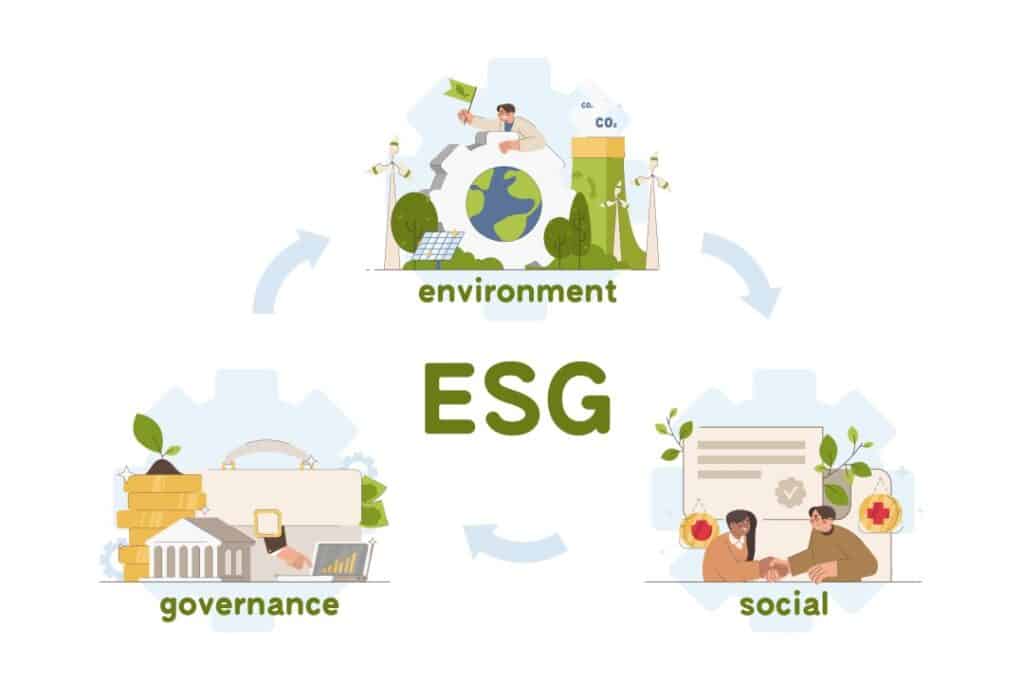
Environmental sustainability and ESG (Environmental, Social, and Governance) concerns are now core to property operations in the U.S. Green building practices like energy‑efficient HVAC systems, LED lighting, solar installations, and smart energy meters are no longer perks — they’re expected. These efforts reduce operating costs and appeal to eco‑conscious tenants, especially younger renters willing to pay premiums for green features. Ross Companies
This shift is partly driven by tenant expectations and partly by investor demand. A PwC/Urban Land Institute report identifies ESG compliance and sustainability reporting as key differentiators in the 2026 real estate outlook, with investors increasingly scrutinizing property performance against these metrics. PwC
However, the focus on climate data can be contentious. For example, Zillow removed its climate risk scores from listings after industry pushback — highlighting tensions between transparency and market dynamics in the U.S. housing landscape. The Guardian
Tenant Experience and Digital Engagement
In a competitive rental market, tenant experience is a top priority. Residents now expect seamless digital interaction throughout the leasing cycle: from virtual property tours and contactless leasing to mobile service requests and community apps. Digital engagement not only improves satisfaction, it also boosts retention, which is critical when operating costs and turnover expenses are rising. U.S. Lawns
Demographic shifts and hybrid work patterns have also influenced amenity design. Tenants prioritize flexible workspaces, high‑speed internet, fitness centers, and community areas that support remote work without sacrificing social connection. Orlo
Data and Analytics Power Strategy
Data isn’t just about automation — it’s about insight. Predictive analytics help managers anticipate maintenance issues before they occur, optimize rental pricing, and identify patterns in occupancy or tenant behavior. These data‑driven approaches are empowering smarter decisions that improve financial performance and tenant satisfaction.
But this reliance on data also raises legal and ethical questions. Antitrust scrutiny of pricing algorithms has already hit major firms like Greystar and RealPage, resulting in multi‑million‑dollar settlements and regulatory limitations on algorithmic rent setting. AP News
How Next Brick Has Adapted to 2025’s Property Management Landscape
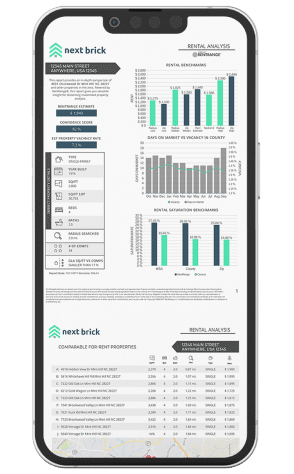
Next Brick exemplifies how modern managers are embracing the trends reshaping the industry. Built on core principles of technology integration, transparency, and tenant-centric service, Next Brick’s approach reflects the broader shifts seen across the sector.
Technology-Driven Operations
Next Brick uses digital systems that streamline lease marketing, tenant screening, rent collection, and maintenance coordination. Automated processes and online portals help owners and tenants stay informed — aligning with the industry’s shift toward real-time digital engagement.
Transparent, Modern Service Model
A hallmark of Next Brick’s strategy is its transparent pricing and simplified fee structure — with no hidden fees, markups, or long-term lock-in contracts. This transparency aligns with tenant and owner expectations for clear, predictable interactions.
Guarantees That Reflect Market Expectations
To mitigate risk and build confidence, Next Brick offers a suite of service guarantees aimed at reducing vacancy time, protecting against tenant-related damages, and covering eviction costs when needed. These service-oriented guarantees fit well into the 2025 trend where property managers must provide added value and peace of mind to owners and renters alike. Inyo Register
Human-Centered Support with Tech Efficiency
While Next Brick leverages automation, it also emphasizes responsive human support — real people handling inquiries and problem resolution. This hybrid approach resonates with tenants who value speed and personalization but still expect efficiency from tech-enabled systems.
By combining digital tools with customer-focused service and innovative offerings, Next Brick mirrors several key industry shifts defining property management in 2025.
What’s Ahead: Key Shifts in 2026
Looking toward 2026, several powerful trends are poised to reshape the industry further:
1. Regulatory Pressure and Market Realities
Regulatory focus on tenant protections, rent transparency, and tech oversight is intensifying. Property managers will need to proactively adapt compliance systems to meet evolving local and federal rules governing leasing practices and data use. Emerging trends reports from PwC indicate that U.S. real estate prospects for 2026 are cautiously optimistic but firmly rooted in regulatory adaptation. PwC
2. Greater ESG Integration
As ESG data becomes more standardized and reportable, sustainability will shift from compliance to competitive advantage. Buildings that demonstrate measurable environmental performance — from reduced energy usage to low carbon emissions — will attract tenants and investors alike.
3. Next‑Gen Tech Adoption
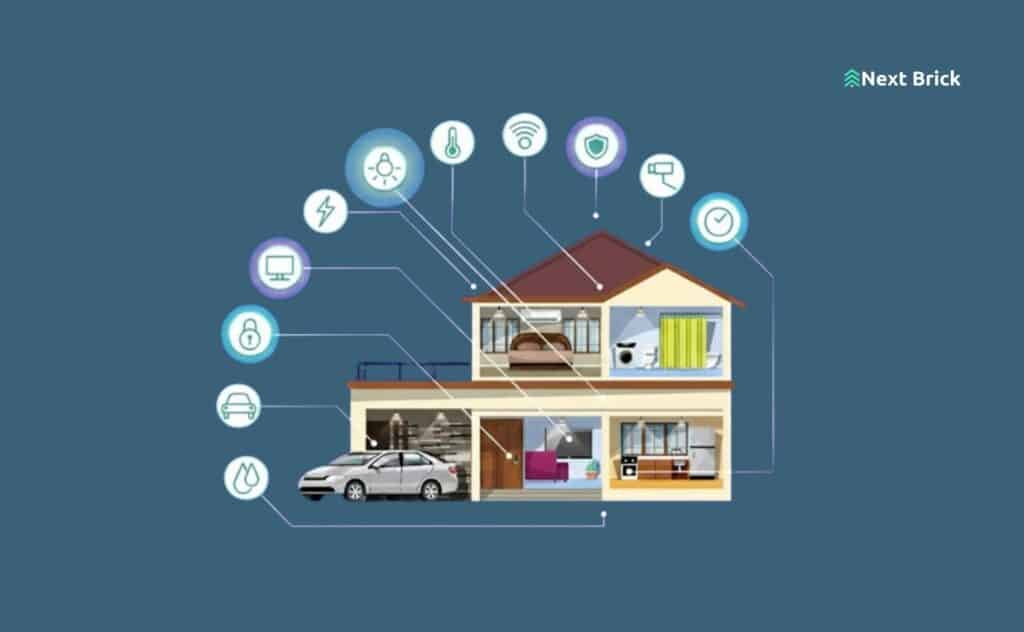
Emerging innovations like digital twins, advanced IoT ecosystems, and enhanced AI platforms will enable real‑time monitoring and even better predictive capabilities, enhancing operational efficiency. Expect blockchain and smart contract applications to grow for secure leasing and transaction automation. StartUs Insights
Conclusion
In 2025, U.S. property management is shaped by digital transformation, sustainability as a standard practice, and a stronger emphasis on delivering exceptional tenant experiences. Firms that successfully combine data-driven insights, modern technology, and responsive human service are best positioned to thrive in this evolving landscape. Next Brick exemplifies this approach by pairing operational efficiency with transparency and customer-first support.
Looking ahead to 2026, continued regulatory shifts, rapid technological advancement, and rising expectations around sustainability will further redefine industry leadership. With a clear, forward-aligned strategy, Next Brick is preparing to expand its modern property management model beyond Seattle, bringing a more efficient, transparent, and tech-enabled approach to markets across the United States.

)