



1. Introduction
Welcome to the dynamic market of Washington — a state that’s increasingly a hub for real estate and rentals, offering ample opportunity for property management. With strong job markets (especially in tech, manufacturing and logistics), ongoing population growth and housing affordability pressures, the demand for professional rental-management services continues to grow.
For entrepreneurs looking to enter the property-management business, opting for a franchise model such as Next Brick Franchise provides a smart pathway: you can leverage proven systems, brand recognition and operational support instead of starting entirely from scratch.
2. What People Look for in Washington (Real Estate & Rentals)
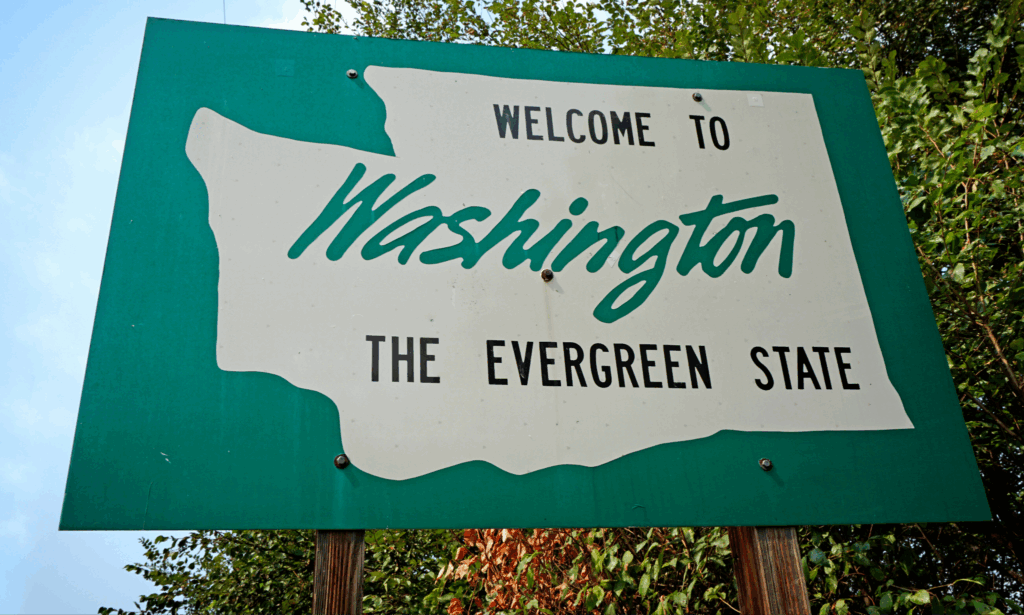
Population drivers & migration
Washington’s population continues to expand: the state reached about 7.95 million people in April 2023. Many new residents are drawn by employment opportunities (especially in urban centres like Seattle and surrounding suburbs) and by the natural amenities of the region.
Housing market: affordability & renting
Renting remains a significant factor in the market. For example, in Washington there are approximately 1.09 million renter households. National Low Income Housing Coalition Many renter households are cost-burdened (spending more than 30% of income on housing). USAFacts Although homeownership remains an aspiration, many households find renting more realistic due to housing-cost pressures.
Lifestyle: urban vs suburban rental demand
Urban areas like Seattle deliver strong demand for high-amenity rentals, while suburban and exurban zones serve families or commuters who prefer more space. This gives property-management franchises the chance to serve diverse property types.
Investor activity: out-of-state buyers & rentals
With housing affordability under pressure and rental demand high, investors frequently buy rental homes — sometimes from out-of-state — which drives the need for professional property management.
Unique factors
Washington features college towns, military installations, and retirement-friendly locales. These create niche rental markets (student housing, military-family rentals, retiree downsizing) which can be attractive for property-management strategies.
3. Property Management Franchising in Washington
Why Washington is franchise-friendly
a) A large and growing rental population means consistent demand for management services.
b) Robust real-estate investment activity: single-family rentals, small multifamily assets, mixed-use properties.
c) Regulatory complexity (landlord-tenant laws, rent-increase caps, compliance) means many owners prefer to outsource to professionals.
For example: under state law, landlords in Washington must not raise rent by more than 10 % (or 7 % + CPI) in most cases. opb The new legislation adds compliance demands, making a franchise with built-in systems valuable.
Benefits of franchising in property management
a) Brand trust & recognition: Potential clients (owners, investors) may favour a known brand with proven expertise.
b) Operational systems: Leasing, tenant screening, maintenance coordination, legal compliance — a franchise can supply ready-made workflows.
c) Appeal to investors: Investors (especially those out-of-state) often want the “hands-off” model where a franchise handles day-to-day management.
d) Scale & growth potential: Property management franchises can replicate across regions, handle multiple property types and expand as local demand grows.
Key property types
a) Single-family rental homes: In suburban and exurban Washington, single-family homes are increasingly rented rather than owner-occupied.
b) Small multifamily properties: Duplexes, triplexes, four-plexes and small buildings in urban/suburban nodes present scalable management opportunities.
4. Numbers in Key Cities
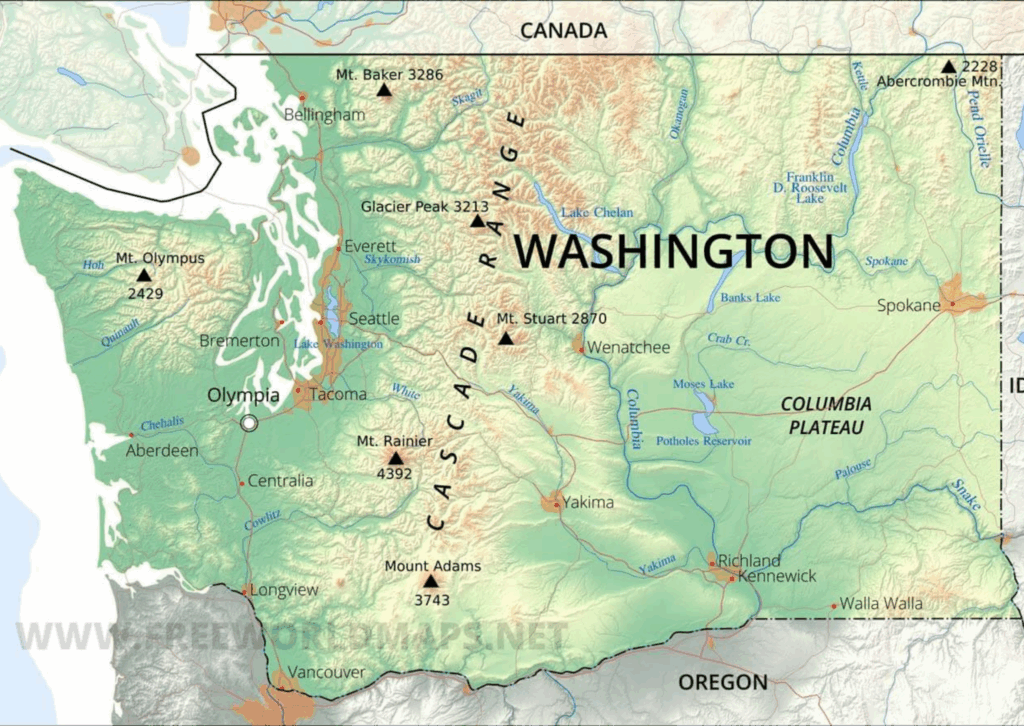
Washington’s property-management potential is spread across a variety of vibrant cities and metro areas — each with distinct market forces and rental dynamics. From high-density urban cores to expanding suburban and regional markets, these locations illustrate the diverse opportunities available to franchise partners.
The table below highlights several of Washington’s most active rental markets:
| City / Metro Area | Population (2023 est.) | % Renter Households | Average Rent (2025) | Market Highlights |
| Seattle (Largest Metro) | ~749,000 (Metro ~4.1 M) | ~54% | ≈ $2,190 / month | Seattle remains Washington’s economic engine, driven by tech, e-commerce, and biotech. High population density and sustained in-migration have kept rental demand elevated, even as construction catches up. Many investors — local and national — purchase rental homes and condos here, requiring dependable management. |
| Spokane (Eastern WA) | ~229,000 | ~42% | ≈ $1,360 / month | As a fast-growing regional hub, Spokane has become one of the state’s most affordable alternatives to the Puget Sound area. A diverse economy and lower price points attract investors seeking value opportunities. Consistent renter demand and limited new-build supply make property management vital. |
| Tacoma (Puget Sound Area) | ~223,000 | ~51% | ≈ $1,780 / month | Tacoma has emerged as a commuter city for professionals priced out of Seattle, blending strong job access with comparatively affordable rents. Rental homes and small multifamily units are in high demand, giving management firms ample recurring business. |
| Vancouver (Southwest WA) | ~200,000 | ~45% | ≈ $1,720 / month | Sitting just north of Portland, Vancouver benefits from cross-river migration and a steady inflow of professionals seeking tax advantages and lifestyle balance. Investors from Oregon and California are increasingly drawn to this market, often seeking remote property-management support. |
| Bellingham (College Town) | ~93,000 | ~60% | ≈ $1,690 / month | Home to Western Washington University, Bellingham’s rental market is powered by students and faculty, with consistent year-round occupancy. The city’s scenic appeal and strong rental stability make it an attractive niche for franchise owners specializing in student housing. |
| Tri-Cities (Richland / Kennewick / Pasco) | ~311,000 metro | ~38% | ≈ $1,490 / month | The Tri-Cities region is expanding rapidly due to growth in clean energy, agriculture, and research. Family-sized rental homes dominate the market, while new-construction rentals continue to emerge — ideal for franchise operators managing newer inventory at scale. |
Summary Insight
Across these key metros, several trends emerge that strengthen the case for property-management franchising:
a) Consistent rental demand across urban and suburban zones ensures recurring management income.
b) Affordability gaps push residents from core metros (like Seattle) toward secondary markets (like Tacoma or Spokane).
c) Investor diversification — including out-of-state buyers — fuels the need for professional, franchise-level property oversight.
d) New regulation and rent caps increase complexity, favoring operators with established compliance systems such as those built into the Next Brick Franchise model.
Together, these markets showcase how Washington offers both breadth and depth for franchise growth.
5. Conclusion

Washington State presents a compelling opportunity for property-management franchises. With strong demand drivers — growing population, high rental cost pressures, diverse investor activity — and a regulatory environment that increasingly rewards professional management, a franchise model like Next Brick Franchise can position you to tap into several property types.
If you’re exploring this opportunity, consider:
a) The local market dynamics (rent levels, vacancy rates, investor share).
b) Compliance and regulation (rent-increase caps, tenant law) — having franchise-level support helps.
c) Property types you’ll focus on (single-family rentals, small multifamily) and how your franchise can systemize operations.
d) Growth plan: starting in one city/region and expanding as demand supports multiple territories.
Ready to take the next step? Connecting with Next Brick Franchise, exploring territory availability in Washington and assessing local market conditions will be key.

