



As the excitement builds around our Atlanta launch, the numbers speak for themselves—the market is not just alive, it’s accelerating. Georgia continues to rank among the most business-friendly states in the nation, and Atlanta stands at the forefront of growth, investment, and opportunity for property management entrepreneurs.
Georgia: A Business-Friendly Powerhouse
Georgia consistently earns high marks for attracting businesses.
a) CNBC ranked Georgia 4th overall in its 2024 Top States for Business study, with top scores in infrastructure (A+, ranked 1st), access to capital (B, ranked 12th), and workforce (B+, ranked 4th) CNBC.
b) The state’s corporate tax rate was lowered to 5.39% in 2024, down from 5.75%—a favorable lever for cost-sensitive startups Georgia Economic Development.
c) According to the Tax Foundation, Georgia ranks 36th nationwide for overall tax-friendliness—though notably, 8th best for corporate taxes AJC.
These competitive advantages create a supportive foundation for launching a property management business.
Atlanta’s Market Fundamentals: Demand, Vacancy, and Opportunity
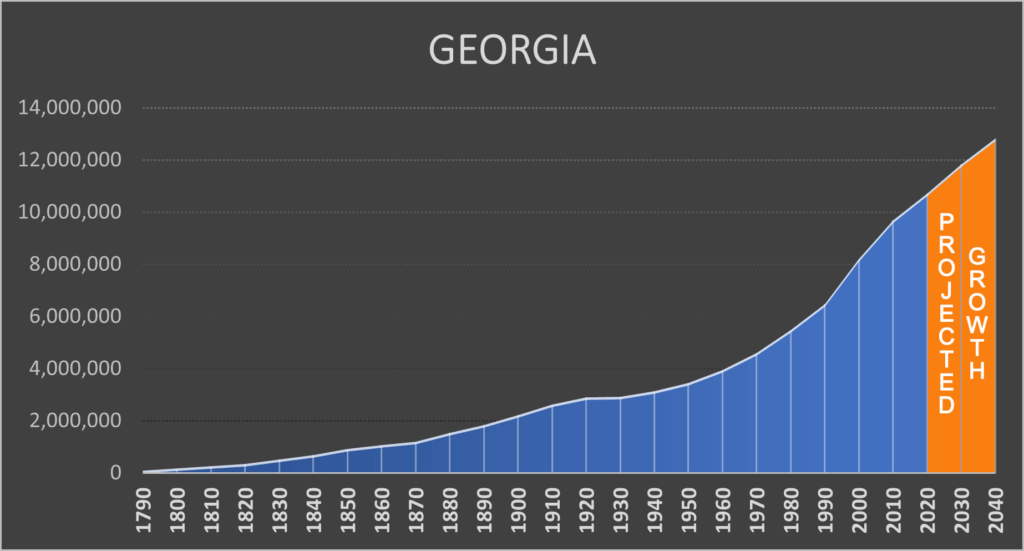
Population and Economic Growth
a) Metro Atlanta’s population is surging—adding approximately 75,100 new residents between 2023 and 2024, ranking it 8th in the nation for metro growth Matthews.
b) The region maintains a median household income of around $90,963, and nearly 42% of adults hold at least a bachelor’s degree—indicative of a well-educated and economically active workforce Matthews.
Rental Market: High Occupancy, Tight Supply
a) In the City of Atlanta, apartment occupancy reached 90.9% in 2024, with renters competing at a rate of 7 people per available unit, and an average vacancy of 44 days CRE 101.
b) Suburban areas fared even better—92.2% occupancy, with 65.9% of renters renewing leases, signaling both stability and loyalty among renters CRE 101.
c) Metro-wide, Georgia’s rental vacancy rate stood at 8.3% in 2023, with a median rent of $1,753/month—ranking it the 12th highest vacancy rate among states Metro Atlanta CEO.
d) As of Q1 2025, Atlanta’s multifamily vacancy rate hovered around 6%, still below national averages and reinforcing a landlord-favorable market Great Report.
Construction and Inventory Trends
a) Georgia issued over 25,000 multifamily building permits in 2024, representing a 12% year-over-year increase. Yet, supply chain and labor issues are delaying completions Great Report.
b) In Atlanta, over 26,000 new multifamily units were delivered in 2024, contributing to a vacancy rate near 12.4%, though this is largely due to luxury inventory outpacing absorption MMCGInvestor Underwriting.
The build-to-rent segment soared: 1,981 units completed in 2023, doubling the previous year, with 2,341 more units underway—ranking Atlanta’s pipeline 5th largest in the U.S. Metro Atlanta CEO.
Investment & Development: What Makes Atlanta Irresistible

*Centennial Yards rendering – not final product
a) Atlanta stands out as a top metro for mega investors, who own 1,000+ properties—accounting for 11.4% of investor activity, a leading share nationally New York Post.
b) From a commercial real estate perspective, Atlanta ranked #4 among U.S. metros for investment attractiveness in CBRE’s 2025 investor survey CBRE.
c) Major redevelopment is also shaping the urban landscape. The Centennial Yards mixed-use project, valued at $5 billion, will add over 1,000 residential units, hotels, retail space, and a 5,300-seat Live Nation concert venue, slated to open in 2027 The Wall Street Journal.
Office vacancy is high—at 32.5%, the highest in over a decade—but rents reached $32.62/sq ft, prompting creative adaptive reuse of offices into living or hospitality space Damalion Consulting.
Tipping Points: Why Atlanta Is Primed for Property Management Growth
1. Rapid Population Influx
Continued in-migration is driving sustained rental demand across diverse demographic segments.
2. Investor Demand & Affordability
Lower home prices relative to coastal markets attract both local and out-of-state investors who need property managers they can trust.
3. Scarcity in Affordable Housing
Metro Atlanta has lost over 230,000 affordable rental units between 2018 and 2023, creating pressure across the housing supply chain and opportunity for professional management solutions Axios.
4. Strong Institutional and Commercial Investment
From mega investors snapping up rentals to major mixed-use redevelopments, Atlanta is a hotspot for real estate activity on every front.
5. Adaptive Development Trends
With office vacancy high and new delivery slow to absorb, property managers can help owners pivot into more profitable, rental-ready models.
How Franchising Can Help You Launch Successfully
While Atlanta’s market dynamics are clearly favorable, breaking into property management isn’t always simple. Many independent operators face steep learning curves—navigating legal compliance, marketing, tenant relations, and technology platforms on their own. That’s where franchising offers a smarter path.
With Next Brick (nextbrickfranchise.co), entrepreneurs don’t have to reinvent the wheel. Instead, you gain:
a) Proven Systems: A tested property management playbook designed to streamline operations from day one.
b) Lean Startup Model: The “minimum team” approach means you can launch with fewer people and still operate efficiently.
c) Ongoing Training & Support: From technology to tenant relations, you’re backed by continuous coaching and operational guidance.
d) Marketing Power: Benefit from a recognizable brand and professional marketing resources that help you stand out in a competitive market like Atlanta.
e) Peer Network: Access to other franchisees nationwide—so you’re building a business with a community, not in isolation.
In short, franchising with Next Brick lowers the barriers to entry and provides a clear roadmap for scaling, so you can focus on building relationships and growing your portfolio in Georgia’s thriving market.
Final Thoughts

Atlanta’s alignment of economic growth, investor activity, housing demand, and redevelopment makes right now the optimal time to launch a property management business in Georgia. The data underscores a market in motion—ripe with opportunity for professionals motivated to lead, innovate, and capture long-term upside.
Franchising with Next Brick gives you the tools, support, and systems to take advantage of this moment—and build a business that’s both scalable and sustainable.
Ready to harness Atlanta’s momentum and turn this into your next success story? Visit nextbrickfranchise.co to learn more.